
Roofing Drip Edges: Everything Kitchener Homeowners Need to Know
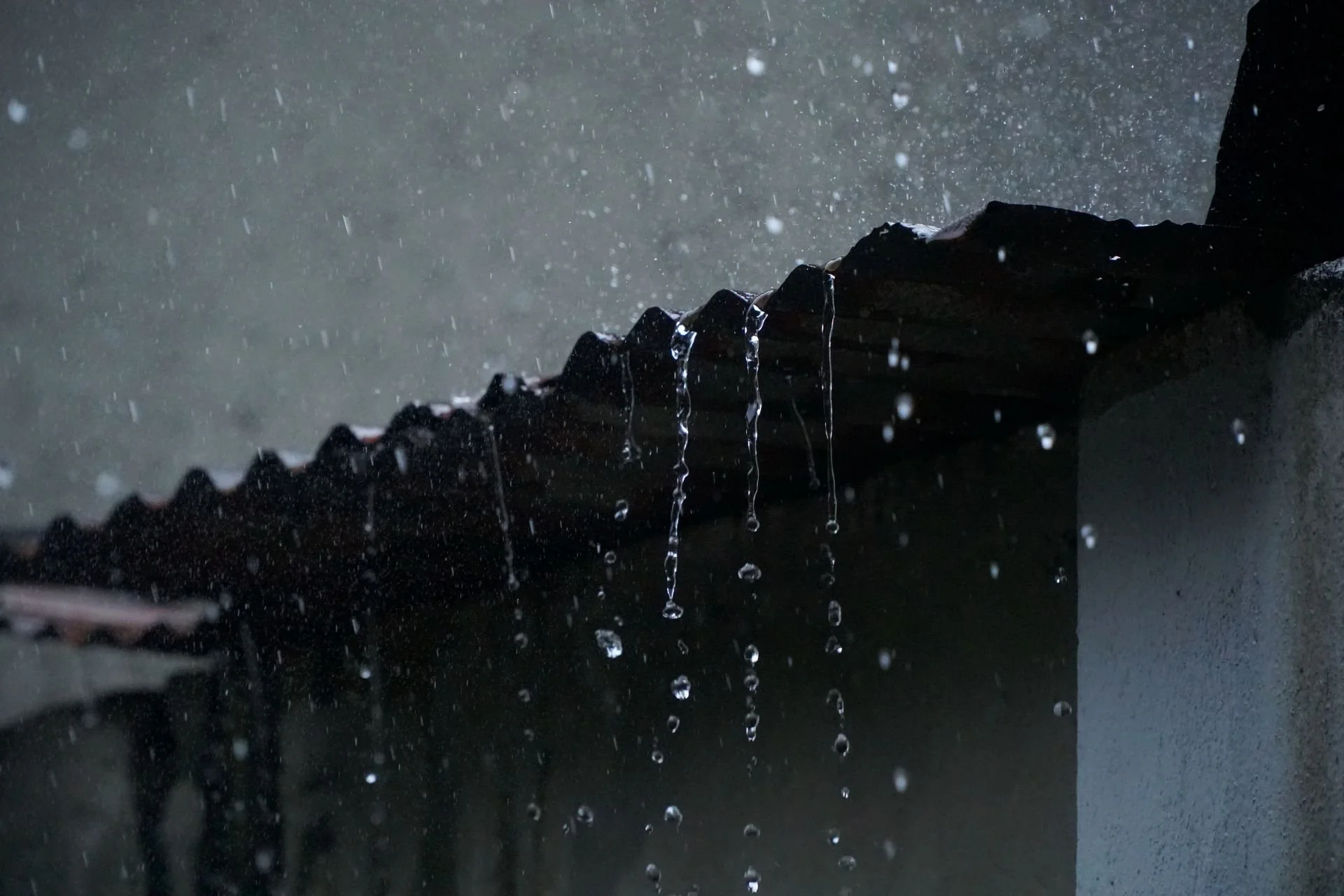
Picture this: It's spring in Kitchener, and as the snow melts from your roof, you notice water streaming down your home's exterior walls instead of flowing into the gutters.
That’s the result of a missing drip edge, a small but crucial component that can save you thousands in water damage repairs.
Understanding roofing drip edges is especially important for Kitchener homeowners. Our region experiences temperature swings throughout the year which puts constant stress on your roof. Water management is essential for protecting your roof from failing early in its lifespan.
At Quality Care Roofing, we help Kitchener homeowners protect their most valuable investment with proper drip edge installation and comprehensive roofing solutions.
What is a Roofing Drip Edge
A roofing drip edge is a piece of metal flashing installed along the edges of your roof to redirect water runoff. The drip edge comes in a L-shape or T-shape which extends beyond the roof edge, typically 1/2 to 3/4 inch beyond the fascia board to ensure water drips clear of your home's structure.
Installation occurs at both the eaves (lower roof edges) and gables (roof ends), though the eave installation is usually our priority due to the greater water volume.
FAQ: What is the Difference Between Drip Edge and Flashing?
A drip edge is a specific type of edge flashing designed exclusively for the roof’s perimeters. General flashing includes components installed at roof valleys, around chimneys, at vent penetrations, and anywhere different materials meet on your roof.
The key differences between drip edges and other flashing include their location, shape, and primary function. Drip edges install only at roof edges, maintaining their characteristic L or T profile, while other flashing types appear at various roof penetrations with shapes tailored to their specific sealing requirements.
FAQ: What are Some Drip Edge Alternatives?
While proper drip edges remain the optimal solution for roof edge protection, there are some alternatives available if needed.
Gutter Aprons: Extended metal pieces designed for retrofit situations where installing traditional drip edges is too challenging.
Roof Edge Trim: Aesthetic alternative specifically designed for metal roofing systems
Traditional Fascia Boards: Historically, traditional fascia boards with proper drainage angles have been a solution for directing water run off. However, modern drip edge systems are far more advanced and overall the better choice.
Extended Shingles: Some homeowners consider extended shingles as a DIY solution, allowing the shingles to overhang the fascia. However, we don't recommend this approach because shingles lack the structural integrity and water-directing properties of proper metal drip edges.
Why Drip Edges Are Important in Kitchener's Climate
Kitchener's climate presents unique challenges that make proper drip edge installation important for long-term home protection. Rapid changes in the weather lead to constant expansion and contraction of the roofing materials, creating gaps and accelerating deterioration.
It’s easy for water to infiltrate your roofing system, and subsequently your home, in these conditions. Without proper drip edges, this water can back up under roofing materials or overflow behind gutters.
Because of this, along with high ice damming risks, the Ontario Building Code mandates that all residential constructions include 900mm of eave protection. This requirement acknowledges that proper edge protection isn't optional in our climate, it's needed for building performance and longevity.
What Happens if You Don't Use Drip Edge?
Water Infiltration: Since water isn’t being redirected, moisture finds ways to seep under shingles and reach your roof decking. This can lead to mold, mildew, and structural damage.
Damages Fascia Boards: When water consistently contacts fascia boards without proper drip edge protection, their wooden components begin to deteriorate rapidly, causing wood rot.
Allows Pests Inside: Gaps exist between your roof edge and fascia boards, and insects often use these openings to access your attic space. Additionally, small animals can find opportunities for nesting in protected areas near your roofline.
Financial Consequences: Along with the immediate repair costs, water damage can damage your home’s structure, reduce your home’s value, and complicate insurance claims.
Compliance: Missing drip edges can create problems during building inspections, particularly when selling your home or completing major renovations.
Benefits of Installing a Drip Edge on Your Roof
Proper drip edge installation delivers comprehensive protection that addresses multiple aspects of home maintenance:
Water Management: Roofing drip edges channel water directly into your gutter system, preventing overflow that can damage your home's foundation and surrounding properties.
Structural Protection: Drip edges shield fascia boards from moisture exposure, prevent roof decking deterioration, and significantly reduce the risk of interior water damage that can affect your home's living spaces and belongings.
Pest Control: Roofing drip edges seal gaps between your roof and fascia boards, effectively blocking insect entry points and preventing animals from nesting.
Wind Resistance: Properly installed drip edges help secure shingle edges, reducing wind uplift damage during storms and providing stability for your entire roofing system.
Ventilation: Drip edges maintain proper airflow patterns around your roof edges, which reduces attic moisture buildup that can lead to mold problems, and helps prevent ice dam formation.
Building Code Compliance: Drip edges ensure your roof meets Ontario requirements, preventing potential issues during inspections and maintaining your home's insurance and resale value.
How Much Does It Cost to Add Drip Edge to an Existing Roof?
The price of adding a drip edge to your roof varies widely. A professional roof assessment is needed for accurate pricing.
Material choice, roof size, perimeter length, labour costs, and disposal costs (if applicable) all contribute to the overall cost of your roof drip edge installation.
Regardless of costs, installing drip edges on your roof is worth it because it would be far more expensive to repair any water damage caused by not having drip edges installed. There are many low-cost options available for budget-conscious homeowners.
Additionally, we offer financing options for homeowners who have a roof in need of immediate attention, but don’t have the ability to pay the full upfront cost. Our financing is designed to make a professional, high-quality roofing service accessible to anyone who needs it.
Roofing Drip Edge Styles
| Style | Shape | Best For | Key Benefits |
|---|---|---|---|
| Type C (L-Style) | 90-degree L-shape | Low-pitch roofs, standard homes | Simple installation, cost-effective |
| Type D (T-Style) | T-shaped with extended flange | Steep slopes, high-rainfall areas | Superior water management |
| Type F (Gutter Apron) | Extended leading edge | Retrofits, gutter integration | Easy addition to existing systems |
| C-Shaped | Wraps around edges | Metal roofs, standing seam | Secure attachment, weather resistance |
Material options include:
Aluminum: Excellent corrosion resistance and lightweight installation
Galvanized steel: Superior strength and durability
Copper: Most reliable option but also the highest cost
Signs Your Home Needs a New Drip Edge
Interior Signs
Ceiling stains near exterior walls
Mold or mildew odors in attic spaces
Basement or foundation moisture issues
Interior leaks during spring season
Exterior Signs
Soft or rotting fascia wood that yields to gentle pressure
Water overflowing behind gutters during rainstorms
Frequent gutter maintenance needs due to debris accumulation
Erosion around your foundation from misdirected water
Ice buildup at roof edges during winter months
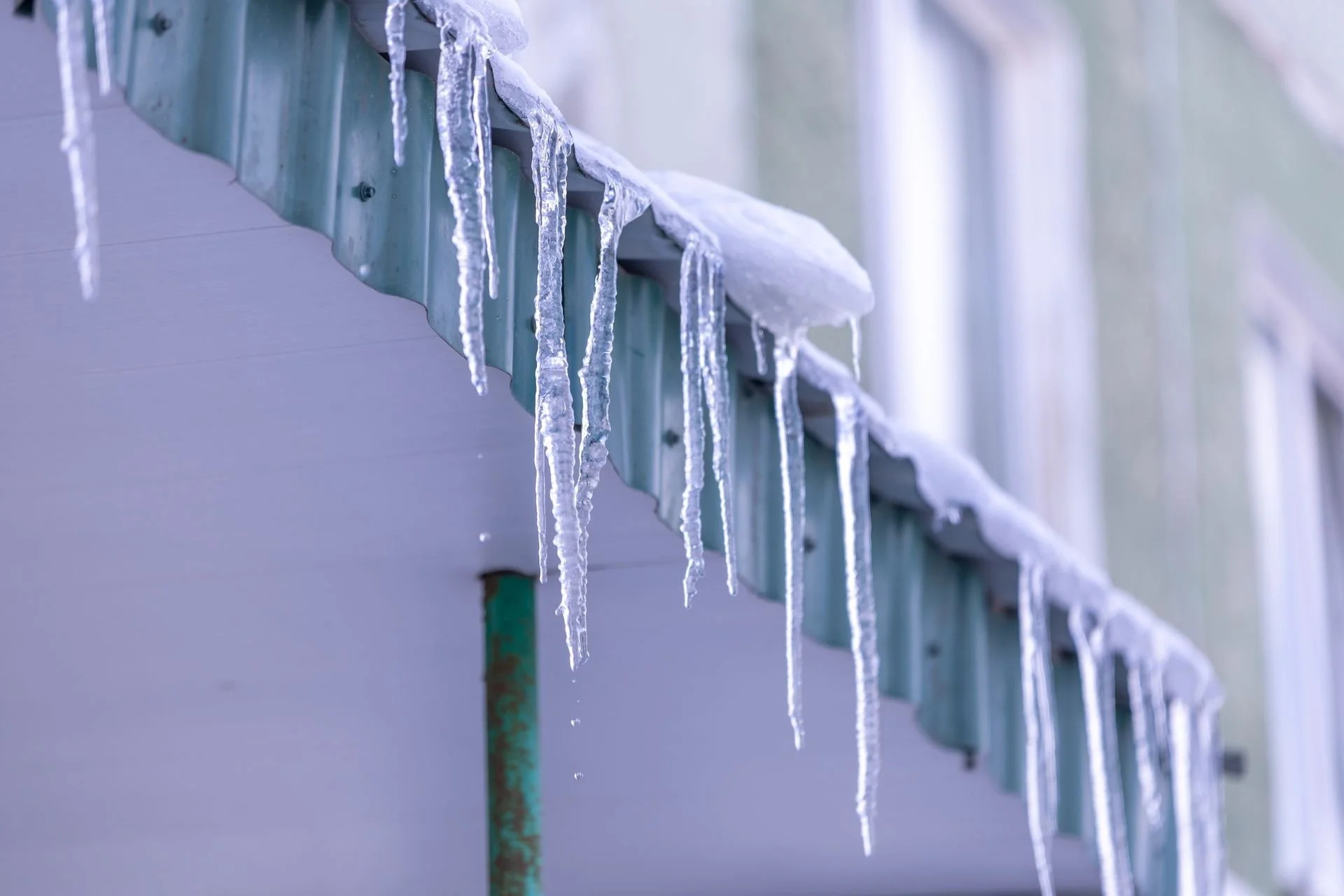
icicles hanging directly from fascia boards rather than gutters
Ice dam formation
Age-Related Factors
Older homes constructed without original drip edge installation
Recent roof replacements completed without proper edge protection upgrades
General wear and tear signs
Where to Get a Roofing Drip Edge Installation in Kitchener
When in need of a reliable drip edge installation in Kitchener, we at Quality Care Roofing provide the expertise and quality materials your home deserves. As a GAF Certified residential roofing contractor, we understand exactly how Kitchener's climate affects your roof and why proper drip edge installation is crucial for long-term protection.