
Kitchener-Waterloo Gutter Repair Guide for Homeowners
Fixing water damage in your home can cost you tens of thousands of dollars, making it one of the most expensive home repair challenges. In Kitchener-Waterloo, many homeowners face water management challenges caused by incorrectly installed and poorly maintained gutters.
Our local climate involves drastic temperature changes, constant freeze-thaw cycles, and heavy rain puts extraordinary stress on gutter systems. Despite this, your gutters serve as the first line of defence against costly water damage. Each year, they redirect thousands of litres of water away from your foundation, siding, and roof structure.
This is why it is so important for Kitchener-Waterloo homeowners to ensure their gutters remain effective and well-maintained. Whether you need professional gutter repair in Kitchener or want to tackle maintenance yourself, this guide provides everything you need to protect your home from water damage.
This comprehensive gutter repair and maintenance guide examines when to repair versus replace, explores professional versus DIY options, and provides actionable advice for maintaining your gutter system through every season.
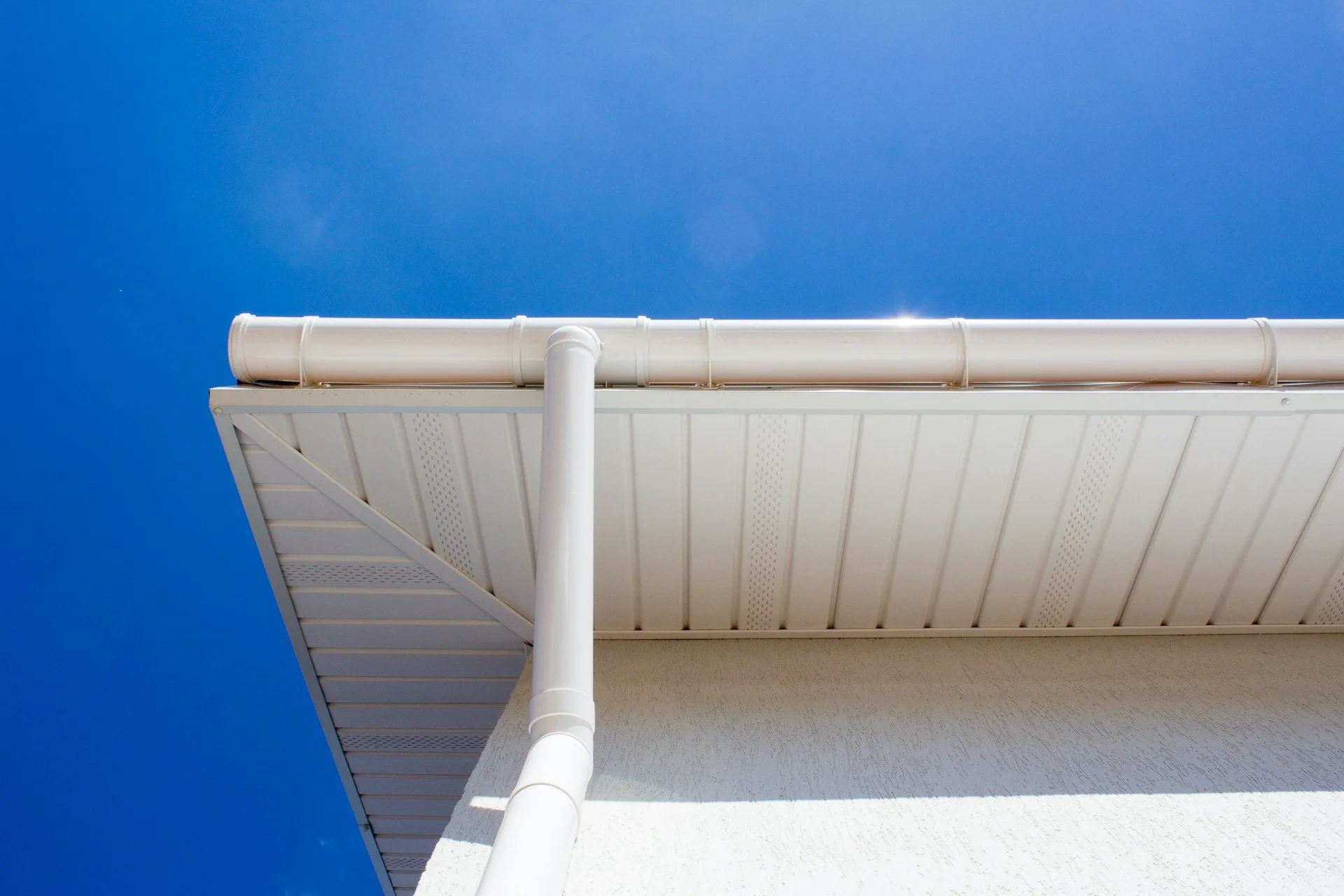
Common Gutter Problems Homeowners Face in Kitchener-Waterloo
Weather-Related Gutter Problems in Kitchener-Waterloo
Winter freeze-thaw cycles cause ice dams that block gutters, leading to water backup and leaks.
Ice formations expand and contract repeatedly, stressing gutter materials and creating cracks that worsen over time.
Heavy debris accumulation caused by fall leaves from maple, oak, and pine trees, which fill gutters quickly.
Leaves, debris, and other organic materials combined with excessive moisture creates the ideal conditions for rust and corrosion in metal systems. This means your gutters deteriorate faster.
Top 7 Gutter Problems Kitchener-Waterloo Homeowners Experience
Clogged gutters from leaves, twigs, and pine needles that block water flow
Leaks and holes at joints and seams where materials separate over time
Sagging gutters from debris weight and worn fasteners pulling away from fascia
Overflowing during heavy rain due to improper pitch or insufficient capacity
Detached fascia from moisture infiltration and wind damage
Improper gutter pitch causing water pooling and mosquito breeding
Frozen debris cracking gutter materials during winter expansion
How Gutter Problems Affect Your Home Value
When your gutters fail to redirect water, your home is left to deal with the consequences.
Water can pool around your home's base and damage the foundation, leading to basement flooding and structural settling.
Overflowing gutters causes the water to go down the exterior siding instead, causing rot, mold, and paint damage.
The roof structure, including decking and insulation, can be permanently damaged from ice dams forcing water under the shingles.
All of these factors cheapen the value of your home, forcing you into costly repairs to retain the resale value.
Signs Your Gutters Need Repair
Visible Warning Signs
Water stains on exterior wallsbelow gutters indicate overflow or leakage problems that require immediate attention. You may see dark streaks after heavy rainfall that suggest your gutters aren't directing water properly away from your home's structure.
Peeling paint or rust spots on gutter surfaces. While surface rust might seem minor, it often signals deeper corrosion that weakens the entire gutter system.
Pooling water around your foundation after rain is a sign of serious drainage failure. This water can seep into basement areas, damage landscaping, and create erosion problems that weaken your home's structure.
Sagging or pulling away from the roofline indicates fastener failure or excessive weight from debris accumulation. This separation stops the gutters from collecting water and damages fascia boards if left unaddressed.
If you see standing water in your gutters, there may be a pitch (angle/slope) problem. This can cause rust, mold, and structural damage over time.
Seasonal Gutter Inspection Checklist
Seasonal changes are the best time to check for problems with your gutters. This will help you pinpoint gutter maintenance and repair needs before they can lead to major damage on your property.
Spring gutter inspections should focus on winter damage assessment and ice dam effects. Look for:
Cracks.
Separated joints.
Areas where ice expansion could cause gutter failure.
Summer gutter inspections involve monitoring proper water flow during storms. Heavy rainfall provides the best opportunity to observe how effectively your gutters handle large water volumes.
Fall gutter inspections should focus on debris buildup and cleaning needs before winter weather arrives. Early removal of debris prevents ice formation around blockages that can crack gutter materials.
Winter gutter inspections involve watching for ice dam formation and addressing problems before they worsen. Small ice accumulations can be managed, but large dams require a professional.
Once you spot these warning signs, the next decision involves whether to repair or replace your gutter system.
When to Repair vs. Replace Gutters in Kitchener-Waterloo
You Should Repair Gutters When…
There are minor leaks at the seams or small holes: These can be repaired effectively with quality sealants and patches, as long as the surrounding material remains structurally sound and corrosion hasn't spread.
There are loose fasteners or brackets: A loose fastener or bracket can often be a result of normal settling rather than a complete system failure. In most cases, tightening or replacing hardware is enough to solve the problem.
There are some damaged sections in otherwise healthy systems: If there are some signs of damages but most of the gutter system remains intact, a targeted repair can be a cost-effective way to solve the problem. Replacing one or two sections costs significantly less than full system replacement while maintaining overall functionality.
The downspouts are clogged, but gutters remain functional: Clogged downspouts should only need cleaning and minor adjustments rather than a complete replacement. Professional gutter cleanings can reveal that the main system works perfectly once blockages are removed.
There is slight sagging from temporary debris: While the weight of debris can make gutters sag, the gutters can usually be restored with cleaning and bracket adjustment. If the underlying structure hasn't been damaged, restoring proper slope can solve the problem completely.
Pros & Cons of Repairing Gutters
Pros
Pro: Lower upfront costs for immediate fixes.
Pro: Quick completion time (usually same-day service).
Pro: Maximizes your initial investment.
Pro: Targeted solutions for specific problem areas allow you to address immediate concerns while planning future improvements.
Cons
Con: Temporary fixes may not last long-term in aging systems where multiple problems develop over time.
Con: Repairs (if effective) typically last only 2-5 years, while replacements can last 15-25 years.
Con: Recurring issues in aging systems create ongoing maintenance expenses that eventually exceed replacement costs.
Con: Using mixed materials to patch up gutter problems can negatively impact your home’s curb appeal and aesthetics
Con: No warranty coverage applies to existing sections, leaving you responsible for future problems in unrepaired areas.
You Should Replace Gutters When…
There’s multiple leak points: Multiple leak points throughout the system indicate widespread failure. In this case, repairs would likely not be enough to fix it.
There’s extensive rust or corrosion: Rust and corrosion damage compromises structural integrity in a way simple repairs just can’t address. Replacement is necessary when metal components show significant deterioration.
There’s severe sagging with fascia board damage: Severe sagging and fascia board damage requires addressing both gutter and structural problems simultaneously. Replacement provides the opportunity to repair underlying damage and install properly sized systems.
The gutters have reached the end of their lifespan: Older gutters (more than 20 years old) use materials and installation methods that don't meet current standards. A replacement is more cost-effective than ongoing repairs, and helps your entire gutter system perform better in heavy rain and snow.
Recurring problems despite regular maintenance: Effective maintenance should prolong a healthy gutter system’s lifespan, it shouldn’t be what keeps it alive. If problems are returning, there may be basic design or installation issues that repairs cannot address effectively.
Pros & Cons of Replacing Gutters
Pros
Pro: The new gutters should last at least 15 years before needing another replacement.
Pro: Complete system upgrades with matching materials provide consistent performance and appearance.
Pro: Quality installations often include 10-20 year warranties on materials and workmanship.
Pro: Modern features like improved drainage capacity and integrated gutter guards enhance performance beyond what repairs can achieve.
Cons
Con: Higher initial investment. However, Our financing options can make replacement more accessible.
Con: Longer installation timelines (1-3 days of work).
Con: Full system disruption during work affects your daily routine more than targeted repairs
Many homeowners turn to repair as a more cost-effective option, but attempting to fix numerous problems individually often costs more than replacement. For long-lasting results, and to protect the rest of your home from damage, replacement is the best option.
Gutter Repair vs. Replace Based on Age: Decision Matrix
| Issue | Age < 10 Years | Age 10–20 Years | Age > 20 Years |
|---|---|---|---|
| Minor leaks | Repair | Repair | Consider replace |
| Multiple sections damaged | Repair | Replace | Replace |
| Fascia damage | Repair | Replace | Replace |
| Recurring clogs | Repair + guards | Replace + guards | Replace + guards |

Why Trust Quality Care’s Gutter Repair & Replacement Service
Working with our expert Kitchener-Waterloo gutter cleaning, repair, and replacement team can help you get the most out of your investment. We understand the crucial role your gutters play in protecting your home, and we’re here to ensure it works as effectively as possible.
We offer full gutter care at an affordable price.
Our comprehensive gutter services begin with complete system inspections and assessments that identify all current and potential problems. We examine your gutters, downspouts, fascia boards, and roof connections to provide accurate recommendations. .
Gutter Add-ons That Make Your Gutters More Effective and Extend Their Lifespan
Gutter Guard Systems
Gutter guards help with debris, water flow, and can reduce how often you need to clean your gutters.
Mesh guards prevent large debris while allowing water flow through specially designed openings. Perfect for areas with moderate leaf fall and reduce cleaning frequency significantly.
Solid guards provide complete coverage with water channeling designs that direct flow while blocking all debris. Best for heavy debris areas.
Downspout Improvements
Splash blocks and extensions protect your foundation by directing water away from your home's base.
Larger diameter options improve water handling capacity for homes with steep roofs or large collection areas. Upgrading from 3-inch to 4-inch downspouts can eliminate issues with water overflow.
Underground drainage connections offer superior water management by routing downspout discharge to storm sewers or remote areas.
Fascia and Soffit Upgrades
Aluminum fascia covers prevent rot in wooden trim boards while providing a clean, maintenance-free appearance. They can also be installed over existing trim.
Proper ventilation integration improves attic health by coordinating soffit vents with gutter installation.
Heating Elements
Gutter heating cables prevent ice dam formation by maintaining above-freezing temperatures.
Roof edge heating systems provide comprehensive protection by addressing both gutter and eave ice formation.
Thermostat controls allow you to be energy-efficient. You can activate heating only when needed rather than having the heating elements run continuously.