
How Much Does Roof Snow Removal Cost in Orangeville?
After a heavy snowfall, it's natural to stand in your driveway and wonder if your roof is handling it okay. Maybe you've noticed ice starting to form along the eaves, or you watched a neighbour get their roof cleared and found yourself wondering whether you should do the same.
The honest answer? Most roofs in Orangeville are built to withstand a serious winter. What tends to get people into trouble is what happens after snow. A thaw-freeze cycle leaves ice packed hard against the eaves, and that's when water starts working its way under shingles. At that point, the problem is water damage, not snow load.
In this article, we’ll break down:
What drives roof snow removal cost in Orangeville
How to tell whether removal is actually necessary
What homeowners should know before picking up the phone (or a shovel)
Roof Snow Removal Costs in Orangeville
A professional roof snow removal costs around anywhere between $200-$650 per visit depending on the contractor and amount of labour involved.
The price of roof snow removal isn’t fixed. Two houses on the same street can come in at very different numbers depending on roof design, what's actually up there, and what the conditions are like when a crew shows up.
Roof snow removal cost drivers include:
Roof complexity: Pitch, height, number of levels, and access points
What needs to be removed: Fresh snow clears faster than compacted, wet, or icy accumulation
Whether ice dam removal is involved: Different job with different labour requirements
Safety conditions: Working in icy or windy conditions takes longer and requires more equipment
Key Takeaway: Roof snow removal costs depend heavily on safety conditions, roof design, and whether ice dam removal is also required. Get a proper site assessment before comparing quotes.
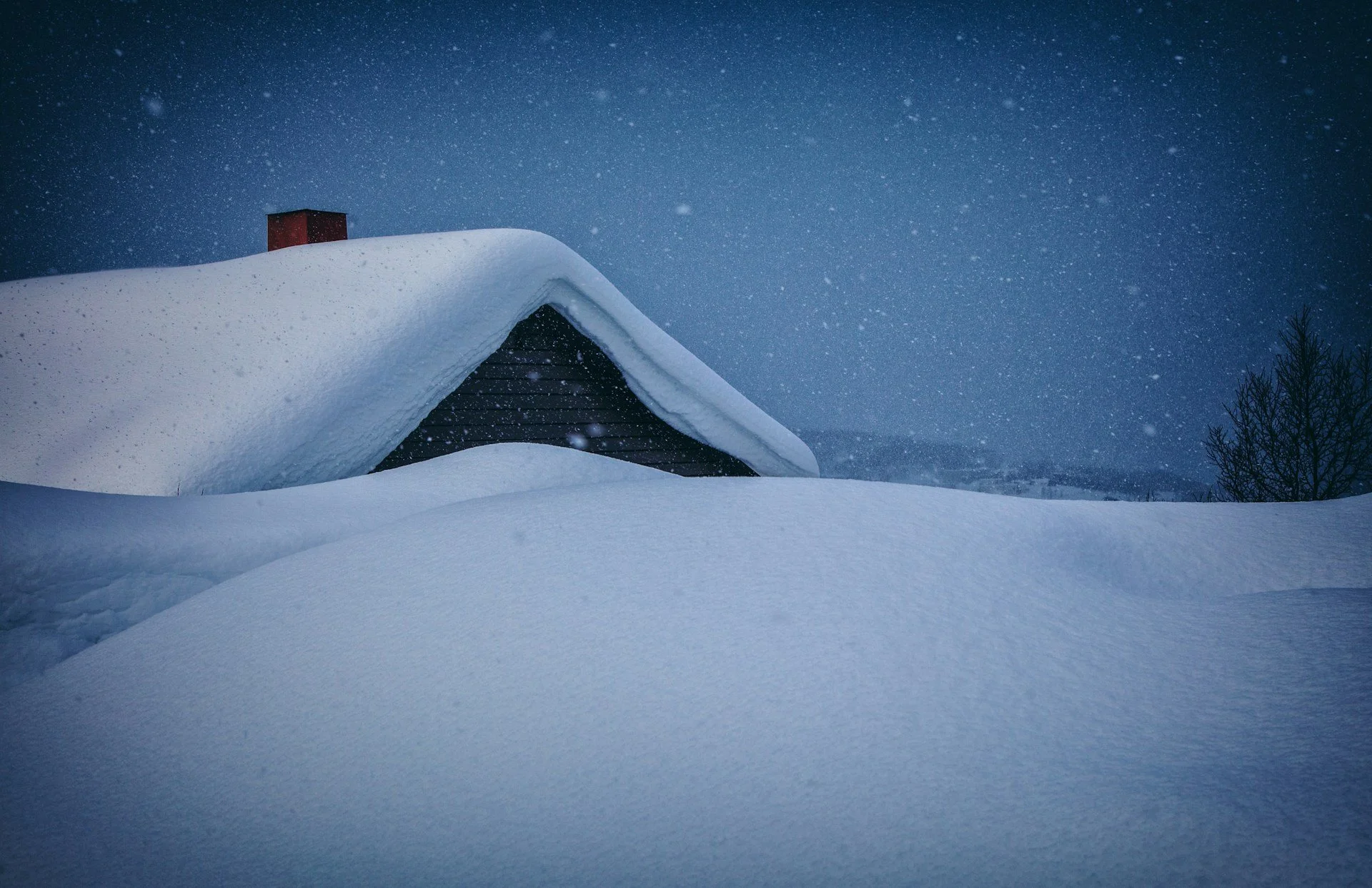
What Affects the Cost of a Roof Snow Removal?
Roof Design and Pitch
Steep roofs take longer, require more fall protection equipment, and carry higher risk. That translates directly into labour cost.
Low-slope sections (the kind you often see over garages, additions, or covered porches) are actually where snow tends to sit and accumulate the most.
Multi-level homes add access complexity. Getting equipment onto a roof safely when there's limited ladder placement or tight yard space takes time.
Snow and Ice Conditions
Fresh light snow is a quick job. Compacted wet snow is heavier and slower to move. Ice is something else entirely.
After a freeze-thaw cycle, what looks like snow from the ground can be a solid layer of ice underneath. That changes both the tools needed and the time required. Snow load stresses a roof structurally and ice dams cause water damage—they look similar from the driveway, but they're not the same problem.
Safety Requirements
Roof snow removal is dangerous, and the safest methods usually aren’t the fastest. Proper anchoring, fall arrest equipment, and careful positioning on a cold, wet surface all add time to a job.
Ladder conditions also matter. Ice at the base, tight clearances, or soft ground from thawing can all complicate access.
How Much Snow Is Too Much?
Not every snow-covered roof is in danger. Ontario's building code sets minimum structural requirements for snow loads, and most homes built to code can handle a significant accumulation without any intervention.
But when snow exceeds normal loads, or when ice starts to bear down in ways the structure wasn't designed for, that’s cause for concern. So, how much snow is too much?
Watch for these warning signs:
Sagging or bowing anywhere on the roofline
Creaking or cracking sounds from the ceiling or roof structure during heavy load
Doors or windows sticking suddenly can indicate frame deflection from above
Drips or ceiling stains that appear or worsen after snowfall
Unusually deep, wet, or compacted accumulation, especially if it's been sitting through a thaw and refreeze
When to Call a Roofing Professional
If you're seeing visible stress signs — sagging, active drips, doors sticking — don't wait. The same applies if you have large ice dams forming along the eaves, a snow slide hazard over an entrance or walkway, or a flat or low-slope section that's taken on significant load.
For everything else, a quick call to a roofing contractor is still worth it. An experienced eye can assess the situation faster.
Key Takeaway: Heavy snow alone isn't always dangerous, but visible signs of roof stress should never be ignored.
Roof Snow Removal vs. Ice Dam Removal
These are two different jobs, and confusing them leads to either underestimating the cost or using the wrong approach.
Removing fresh or lightly compacted snow is relatively straightforward. It's physical work, and it requires proper safety equipment, but the process is simple.
Ice dam removal is different. Ice dams form when heat escaping through the roof melts snow near the peak, which runs down and refreezes at the colder eave edge. That backed-up ice creates a dam. Water pools behind it and can push under shingles, into the attic, and eventually through your ceiling.
Getting rid of an ice dam without damaging the shingles and flashing underneath it takes care and the right tools. Aggressive chipping with metal tools pulls up shingles and punches through the membrane.
Many homeowners go at ice dams with a flat shovel thinking they're solving the problem, but only end up damaging shingles and needing repairs down the line.
Key Takeaway: Ice dam removal is often far more delicate and labour-intensive than standard snow clearing — and when handled improperly, it carries a much higher risk of roof damage, leaks, and safety hazards.
Is DIY Roof Snow Removal Safe?
In most cases, no, DIY roof snow removal is not safe and is not recommended.
A roof rake with an extended handle, used from ground level, is a reasonable DIY option for pulling snow off the lower section of a moderately pitched roof. However, anything that involves getting on the roof should be avoided. Roof melt for ice dams should also be avoided, and we explain why in this blog: Does Using Roof Melt For Ice Dams Damage Roof Shingles?
DIY roof snow removal probably isn't safe if:
The roof has a steep pitch
Surfaces are icy or have refrozen overnight
It's a two-storey or higher
You can see sagging or roof damage
There's significant ice accumulation near the eaves
A few things to keep in mind if you choose to DIY:
Never work alone
Avoid metal tools on shingles, try to find plastic or aluminum tools with a rubberized edge
Don't rake all the way to the shingles if there's ice underneath
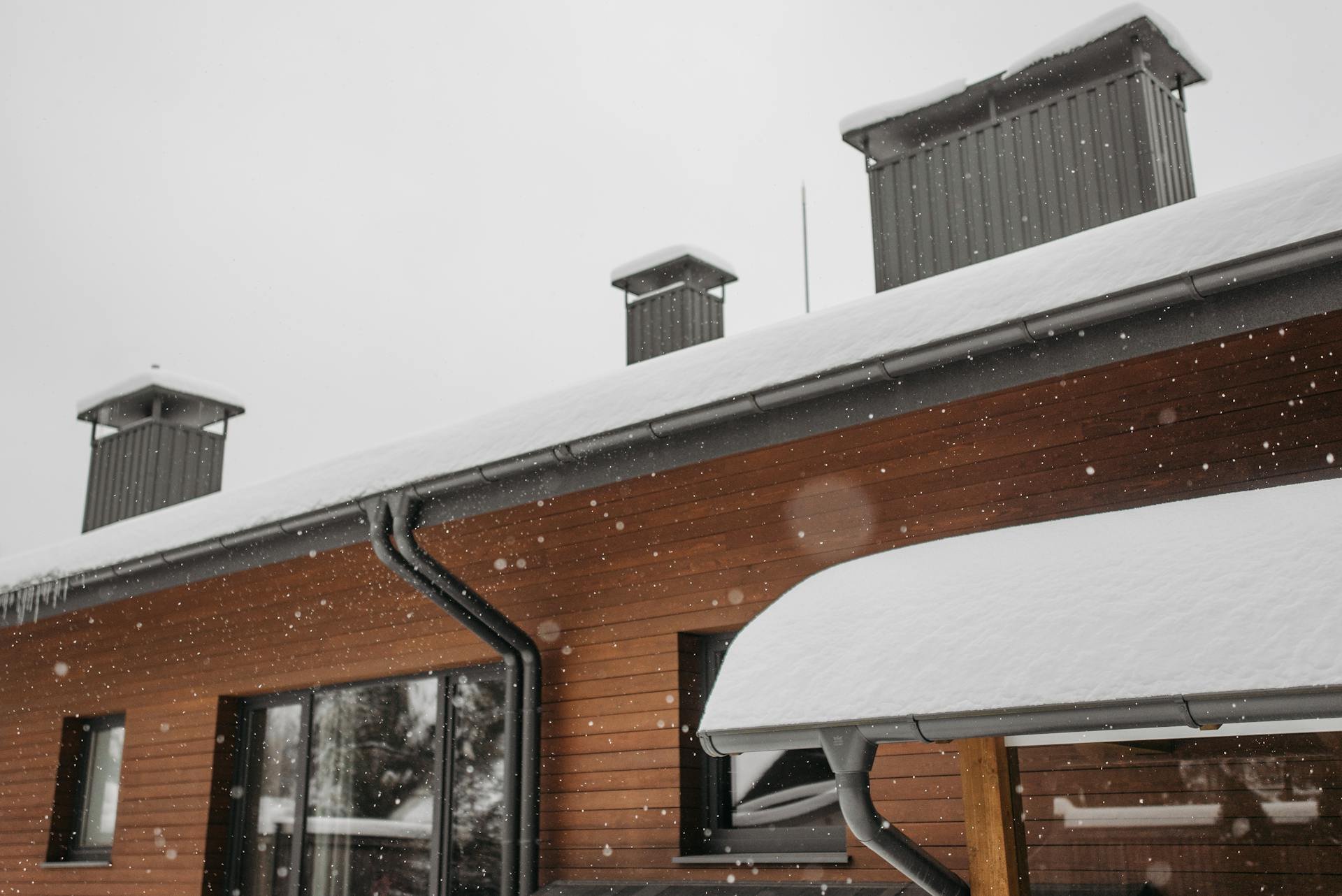
Why Professional Roof Snow Removal Matters
At Quality Care Roofing, our crew brings more than shovels. We bring anchors, ropes, fall arrest gear, and enough experience to read what's happening on the roof and flag problems early.
That’s something most homeowners miss: A professional doing snow or ice removal is also getting a close look at your flashing, shingles, and eaves at a time of year when problems are most likely to show up. Catching a cracked piece of flashing or a compromised section of shingle membrane in February is a lot cheaper than dealing with a ceiling replacement in March.
For Orangeville homeowners specifically, the combination of heavy snowfall, freeze-thaw cycles through January and February, and older housing stock in some neighbourhoods makes that kind of mid-winter check genuinely useful.
Professional roof snow removal is ultimately about more than convenience. It is preventative maintenance, added safety, and peace of mind during the harshest part of the year.
Frequently Asked Questions
When should I have my roof cleared of snow?
When you're seeing warning signs like sagging, drips, and doors sticking, or when ice dams are large enough to be a water intrusion risk. A heavy single snowfall on a structurally sound roof doesn't automatically require action. If you're uncertain, a call to a local roofing contractor is faster than trying to assess it yourself from the ground.
How much does ice dam removal cost compared to standard snow clearing?
Ice dam removal takes more time, requires more precision, and carries higher risk of incidental damage if done wrong. Expect it to cost more than standard snow clearing, though the actual difference depends on how severe the ice buildup is and how accessible the affected areas are.
Can I use a roof rake myself?
Yes, for lower-pitched roofs and single-storey homes where you can reach the lower section safely from the ground. Use one with an extended handle, work from the eave upward, and don't rake all the way down to the shingles. Avoid metal rakes — the edges can tear shingles and scrape off protective granules.
Will snow removal damage my shingles?
Done properly, no. Done carelessly — especially with metal tools or aggressive scraping near ice — yes. That's one reason professional removal matters: experienced crews know how to clear snow without pulling up granules or cracking cold, brittle shingles.
Does homeowner insurance cover ice dam damage?
Generally, most standard homeowner policies cover interior damage caused by ice dams like ceiling staining, insulation damage, and similar losses. They typically do not cover the cost of ice dam removal itself or the underlying roofing repairs. Read your specific policy, and call your insurer before assuming coverage.