
Is Pitching a Flat Roof Worth It? | Kitchener Roof Pitching
If you've been patching the same flat roof for the third or fourth time, you're probably asking yourself whether it's time to stop fighting it and just convert to a pitched roof. Flat roofs are the face of modern architecture, but are also prone to water damage.
This article breaks down what a flat roof to pitched roof conversion actually involves, what it realistically costs, the honest pros and cons, and when it might not be worth doing at all.
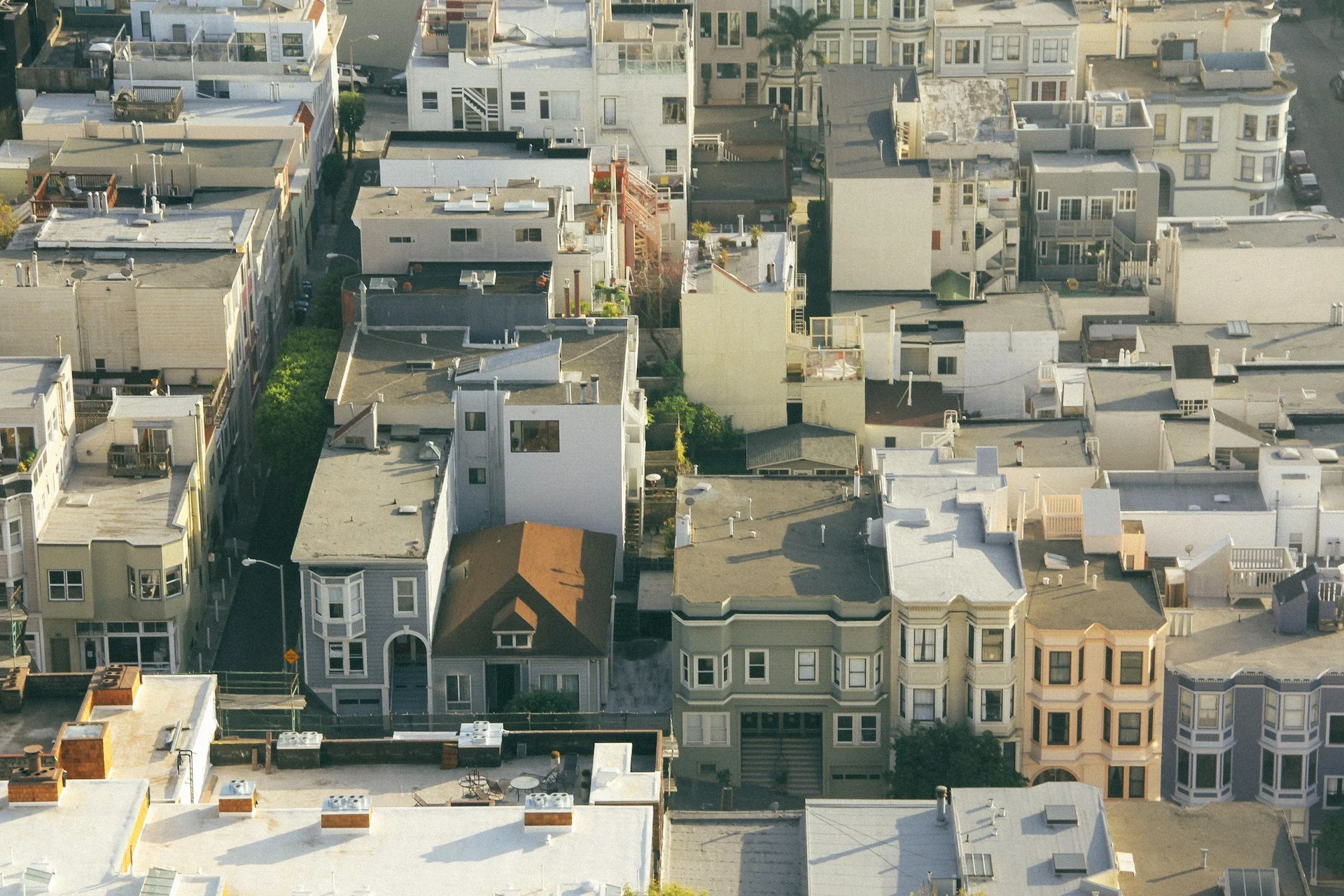
Can You Make a Flat Roof Into a Pitched Roof?
Yes, in most cases, a flat roof can be converted into a pitched roof. But the process involves a lot more than just building a new slope on top.
A roof pitching project involves constructing a new framed structure over the existing roof, which creates the slope. With the pitched roof formed, roofing materials, most commonly asphalt shingles, are installed on top.
Since this means adding extra weight to your home’s structure, it’s important to assess whether your walls and foundation can handle the additional weight. Post-war bungalows and split-levels with flat roof sections tend to have issues in this area.
Permits are also required. A roof conversion in Kitchener or Waterloo involves a building permit, and the plans typically need to meet current Ontario Building Code requirements for insulation, ventilation, and structural load.
Pitching a flat roof can be a good idea for:
Homes with a single flat roof section that causes repeated problems
Properties where the flat roof membrane is aging out and needs replacement anyway
Homeowners who plan to stay long-term and want a more permanent fix
Older homes with flat roof additions that were never well-suited for Ontario winters
Key Takeaway: Converting a flat roof is possible, but it's a major roofing and structural project, it’s not a simple reshingle.
How Much Does It Cost to Convert a Flat Roof to a Pitched Roof?
Flat roof conversions cost significantly more than a standard roof replacement, and the range is wide — anywhere between $15,000 and $60,000+ depending on the size of the roof, structural work required, and roofing materials chosen.
Because every home is different, it’s best to have an experienced local roofing contractor assess the structure before budgeting for a conversion. Quality Care Roofing can help homeowners evaluate whether converting a flat roof to a pitched roof makes sense for their property.
The biggest cost drivers include:
Roof size: A small flat section over a garage addition is a very different project than a full bungalow roof.
Structural reinforcement: If the walls need beefing up before they can support a new pitched structure, that adds material and labour.
Framing complexity: Simple gable designs cost less than hipped or multi-pitch layouts.
Roofing material: Asphalt shingles are the most common and most affordable choice. Metal roofing or cedar options increase the cost.
Insulation and ventilation: Ontario Building Code requirements mean you can't skip this. Proper insulation and ventilation have to be built into the new structure.
Permit and engineering fees: These vary by municipality but are a real cost to factor in.
Accessibility and staging: Tight lots, close neighbours, or second-storey work can add to the labour cost.
When a Flat Roof Conversion May Be Worth the Investment
You've repaired the same roof more than twice in the past five years and the leaks keep coming back.
You're facing a full flat roof replacement anyway and the price difference between a quality flat roof replacement and a conversion is reasonable.
You plan to own the home for another 10 to 20 years and want to eliminate the ongoing maintenance cycle.
The flat roof drains poorly and pooling water has been a chronic problem.
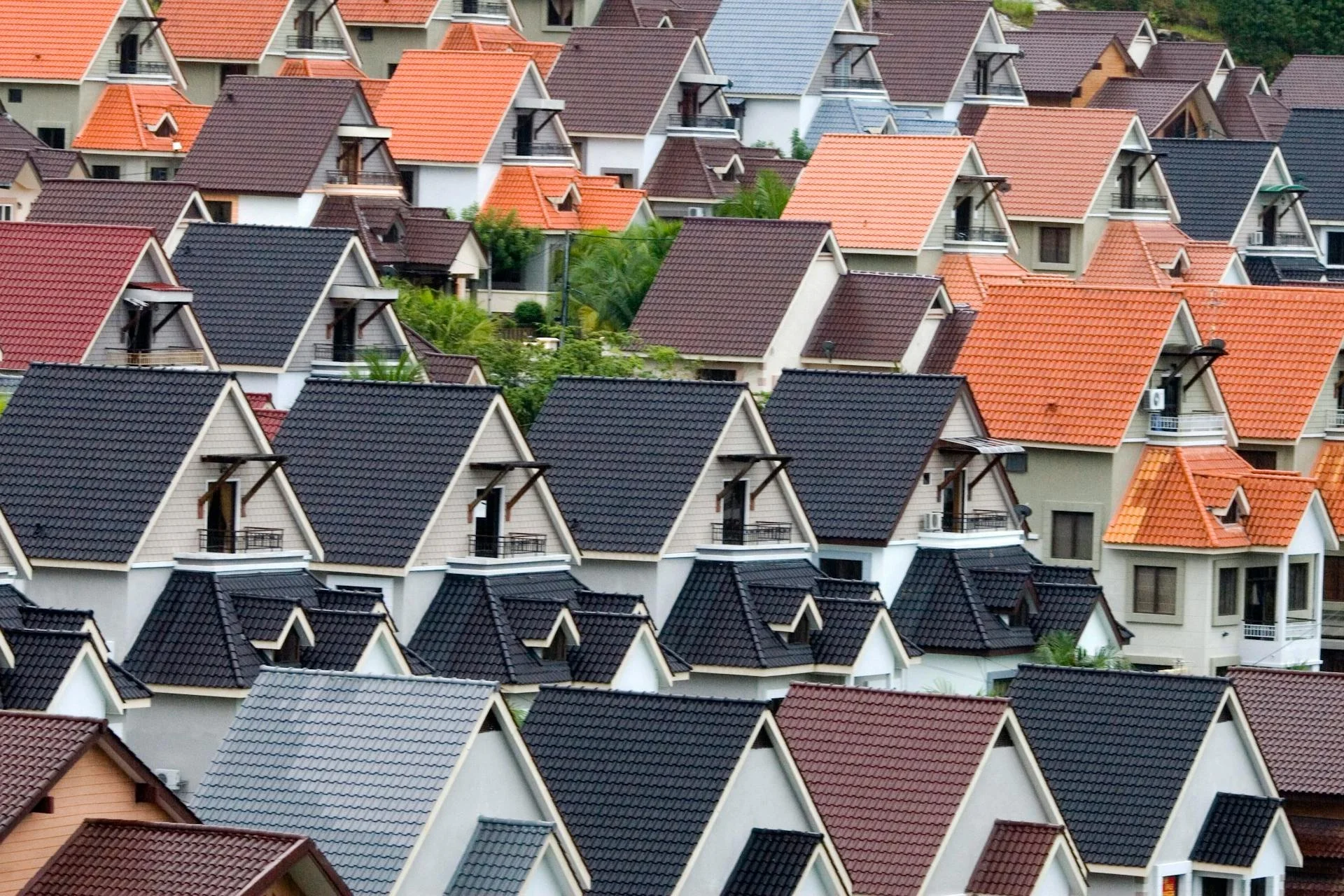
Pros and Cons of Converting a Flat Roof to a Pitched Roof
Pros of Converting to a Pitched Roof
Better drainage: A pitched roof sheds water naturally, rain runs off, snow slides or melts away, and there's less risk of ponding.
Reduced leak risk: Flat roofs rely entirely on the membrane to prevent water infiltration. Any crack, blister, or seam failure can allow water in. A pitched roof with quality shingles gives you more layers of protection.
Longer lifespan: A well-installed asphalt shingle roof in Ontario can last 20 to 30 years with basic maintenance. In comparison, most flat roof systems need repairs or a full replacement within 15 to 20 years.
Potential energy efficiency improvements: A pitched roof allows for a proper attic space with better insulation depth and ventilation, which can reduce heating and cooling costs.
Possible attic storage: Depending on the pitch and design, the new structure may create usable attic space.
Cons of Converting to a Pitched Roof
High upfront cost: You're not just replacing a roof, you're adding a framed structure, which means significantly higher labour and material costs upfront.
Structural complexity: Not all homes are straightforward conversions. Older construction, load-bearing constraints, or existing ventilation and electrical running through the roof area can complicate the project.
Permit requirements and timelines: A permit-required project takes longer to get started, longer to complete, and can be a bit of a hassle.
Not ideal for every home style: Some flat-roofed homes were designed that way, particularly mid-century modern properties. Converting can look out of place architecturally and be more difficult.
It’s worth noting that a properly installed and well-maintained flat roof (a newer TPO or modified bitumen system) can perform very well. It may make more sense to improve drainage on a flat roof through modifications rather than pitching it, especially as a more inexpensive option.
What Is Cheaper, a Flat Roof or a Pitched Roof?
Upfront, a flat roof system is almost always cheaper to install. The materials cost less, the labour is simpler, and there's no framing required.
Flat roof costs to consider:
More frequent inspections required to catch membrane failures early
Repairs are needed more often, especially around seams and drains
Full membrane replacement typically needed every 15 to 20 years
Ice damming and ponding can accelerate deterioration
Pitched roof costs to consider:
Higher initial installation cost
Shingles may need replacement over a 25 to 30-year lifespan
Gutters still need regular cleaning (essential for both roof types)
Snow shedding reduces structural load concerns, though it can create other hazards near walkways
If you’re planning to sell your home within the next 5 years, pitching a flat roof is an unnecessary investment. But if you’re a long-term owner who is tired of recurring repairs, pitching can be a worthwhile investment.
Frequently Asked Questions
How long does a pitched roof last compared to a flat roof?
A quality asphalt shingle roof in Kitchener typically lasts 20 to 30 years with normal maintenance.
Flat roof membranes generally need replacement or repairs every 15 to 20 years, sometimes sooner in areas with heavy snow load or chronic drainage issues.
Lifespan on both types depends heavily on installation quality and maintenance.
Does flat roof drainage cause problems in Ontario winters?
Yes, flat roof drains can cause problems during winter in Ontario. Flat roof drains can partially freeze, pooling water can turn into ice, and flat roof membranes can develop stress cracks during the winter from repeated freeze-thaw cycles. These are all common flat roof problems for Kitchener homeowners.
Keeping drains clear and having the roof inspected annually reduces the risk of these problems, but the weather here is genuinely hard on flat roofing systems.
Do I need a permit to convert a flat roof to a pitched roof?
Yes, a structural roof conversion requires a building permit in Kitchener, Waterloo, and Cambridge. The project involves structural changes that need to be reviewed for compliance with the Ontario Building Code, including load calculations, insulation values, and ventilation requirements.
Is flat roof maintenance more expensive than a pitched roof?
Yes, generally flat roof maintenance is more expensive than pitched roof maintenance over the long term. Flat roofs require more frequent inspections, are more prone to drainage-related damage, and have shorter replacement cycles. The lower upfront cost of a flat roof can be offset over 20 years by more frequent maintenance and repair costs.
Does converting a flat roof to a pitched roof increase home value?
In some cases, yes, converting to a pitched roof can increase home value. In established Kitchener-Waterloo neighbourhoods where pitched roofs are the norm, converting to a pitched roof may help you get better offers when reselling your home. A newer pitched roof with a long remaining lifespan tends to present better to buyers and can reduce concerns during home inspections. The increase in value doesn't always fully offset the cost of conversion, so it shouldn't be the only reason to do it.
How do I know if my flat roof needs to be replaced or just repaired?
If the membrane is still in reasonably good condition and the issues are isolated (a small area of blistering, a single failed seam.etc) targeted repairs may be all that's needed. If the membrane is aging out across the entire surface, repairs have been done repeatedly in multiple areas, or water damage has compromised the structure underneath, it’s likely time for a replacement (or conversion).